


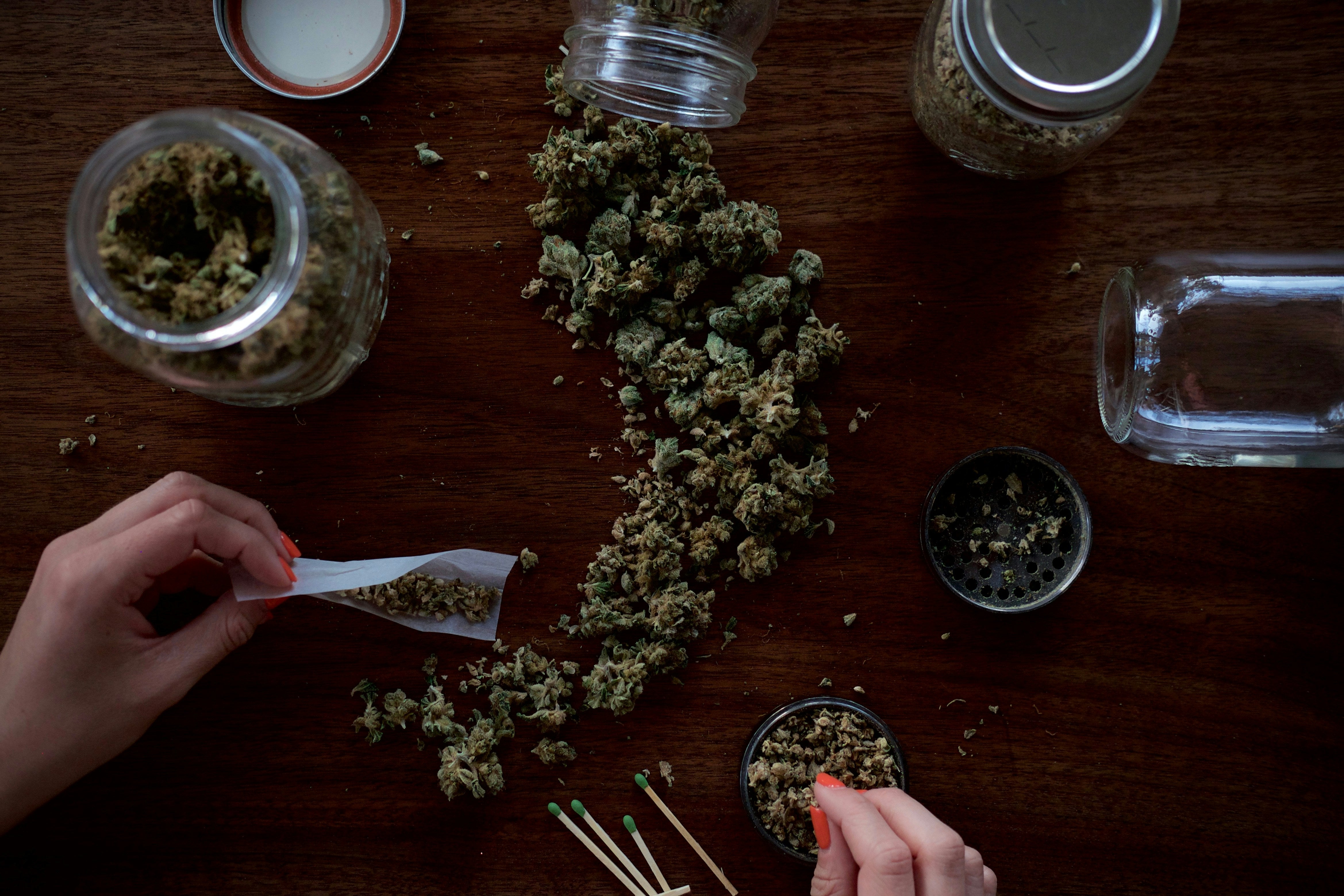


You’ve probably heard about THCa and THC and wondered, what’s the difference?
They may look similar, but there’s more than meets the eye. Both are major compounds found in the cannabis plant, and understanding their differences can help you figure out which one might be right (or legal!) for you. Let’s dive into what makes them unique, how they affect your body, what the law says, and why some people prefer one over the other.
What are THCa and THC?
THCa, or tetrahydrocannabinolic acid, is the “raw” form of THC found in fresh, unheated cannabis plants. Think of THCa as the precursor to THC. When you smoke, vape, or heat cannabis, THCa converts to THC — the stuff that gets you high. Without heating, THCa won’t have the typical psychoactive effects that people associate with cannabis. For instance, munching on raw cannabis leaves? You’re getting THCa, not THC.
But what does that really mean? The answer is THCa is generally included in health supplements and juices, especially for those seeking the potential health benefits of cannabis without the buzz. THC is what brings on that sense of euphoria, laughs, and, yes, even the so-called munchies.
Effects on the body and mind
THC is well-known because it binds directly to the body’s endocannabinoid receptors, mainly in the brain. This connection is what delivers the classic psychoactive high. People often report feelings of relaxation, happiness, or an altered sense of time after using THC. But it can also lead to side effects like anxiety or dry mouth, especially if you overdo it.
THCa, in its pure or raw form, doesn’t make you feel high. It may have anti-inflammatory or neuroprotective effects instead. Some people use it to treat pain, muscle spasms, or even nausea, without the mental effects of THC.
You might like: What is THCa and Is It Legal?
Legal status: is it okay to use?
THC is heavily regulated around the world and only legal for recreational or medical use in certain places. Its psychoactive nature means you can get in trouble for having or using it where it’s against the law. In contrast, THCa is technically non-psychoactive, so it’s often sold legally in places that ban THC — just as long as it hasn’t been heated or “activated.” In the U.S., hemp-derived THCA is federally legal.
See our complete collection here.
Why do people prefer one over the other?
A lot of people prefer THC because they enjoy the high or the way it helps manage certain conditions, such as chronic pain or insomnia. In contrast, others avoid it due to its mind-altering effects or because they want to stay clear-headed during the day.
Enjoyed the read? Share it with someone who would love it. And don’t forget—you can explore all our THCa products, from edibles to concentrates, directly at 10dollarcartridge.com.