


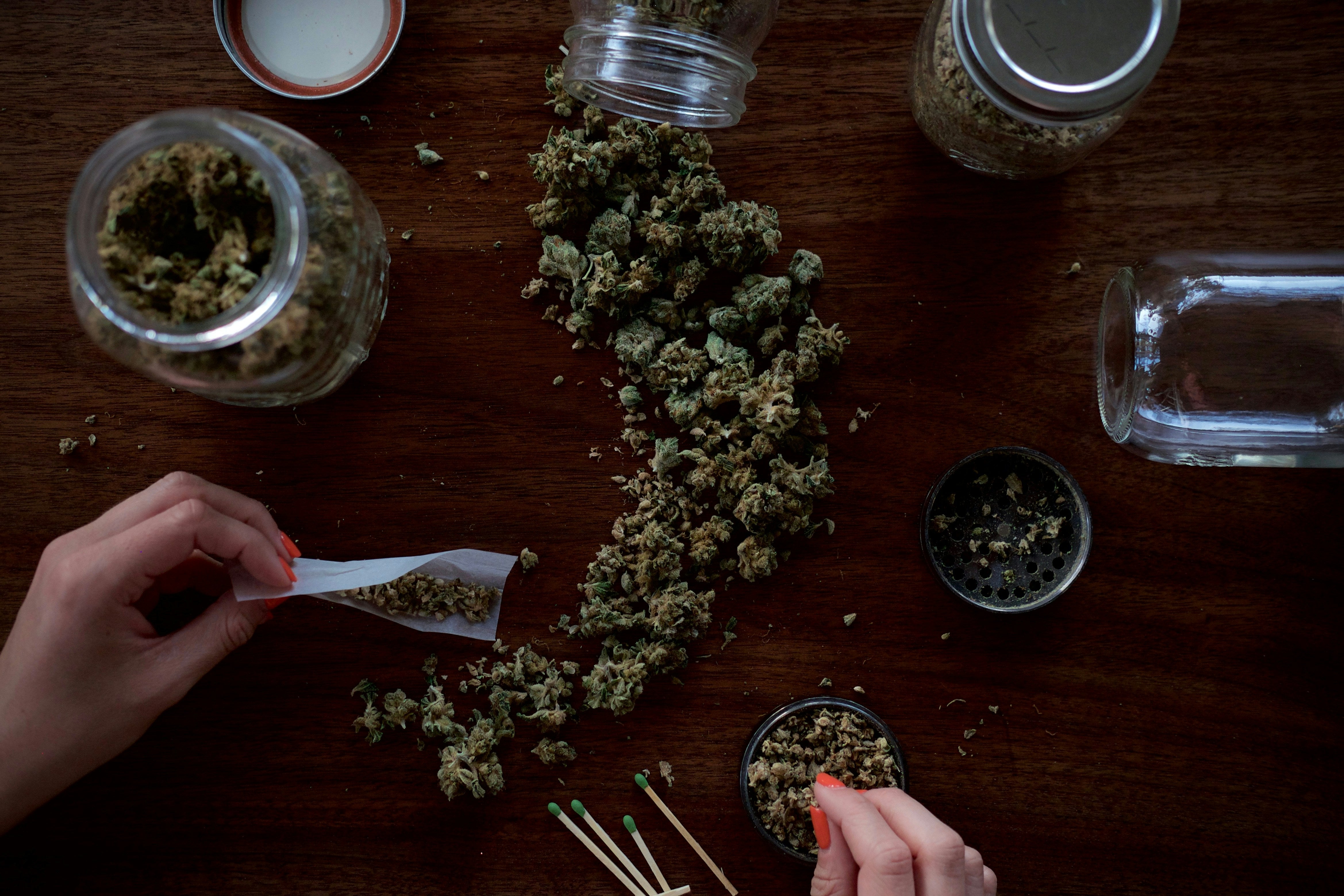


Scrolling through an online cannabis menu usually leads straight to one specific detail: the THC percentage. There is a widespread belief that a strain testing at 30% is automatically going to deliver a superior experience compared to something sitting at a modest 18%. It is an easy way to shop, but the biology of the plant does not actually work that way.
Anyone who has ever finished a session with nothing but a headache from a supposedly ultra-potent strain knows that laboratory numbers do not tell the whole story. Judging cannabis solely by its THC content is a lot like choosing a bottle of wine based purely on the alcohol percentage. To get the best value for your money, you have to look at how THC and terpenes work together, and why that big number on the label might be the least important part of the jar.
THC is just the engine, not the driver
To understand why potency numbers can be misleading, it helps to look at what THC actually does on its own. THC is the primary cannabinoid responsible for the psychoactive effects of cannabis. It acts as the raw power behind the plant. When you consume a product with high THCa or THC, you are essentially turning on a powerful engine.
However, pure THC is a pretty flat, one-dimensional experience. If you strip away everything else and consume pure THC distillate, the resulting high can often feel hollow, short-lived, or even a bit anxious. That is because THC on its own does not know where to go. It gives you the elevation, but it does not give the experience any real shape, mood, or direction. That is where terpenes come into play.
Terpenes direct the flow of your experience
Terpenes are the natural essential oils found within the cannabis plant. While they are responsible for distinct aromas—like bright citrus, deep pine, skunk, or sweet berries—their actual job goes way beyond flavor. Terpenes physically interact with your body’s receptors and directly influence how THC affects your brain. They act as the actual steering wheel for your high.
For example, if you pick a strain rich in a terpene called myrcene, it directs the THC to relax your muscles and calm your body, making you feel deeply sedated. If you pick a strain high in limonene or pinene, it steers the experience toward focus, energy, and a brighter mood. When you have a high concentration of terpenes working alongside cannabinoids, it creates a natural chemical teamwork called the entourage effect. This synergy delivers a much more rounded, complex, and enjoyable session than pure potency ever could.
You can also read: 4 signs your vape cartridge is clogged (and how to unclog it in under two minutes)
The problem with chasing high numbers
The massive market demand for ultra-high THC percentages has actually forced many commercial growers to change how they cultivate cannabis. To constantly hit those 30% benchmarks on paper, some cultivators end up breeding out the minor cannabinoids and the rich terpene profiles that give individual strains their unique character. The result is a lot of flower on the market that looks strong on a lab sheet but lacks aroma, flavor, and depth.
Furthermore, laboratory testing numbers aren't always a flawless reflection of what you will experience. Moisture levels, testing methods, and even the specific part of the plant that was sent to the lab can cause percentages to fluctuate. Buying a product simply because a label says 35% means you might be paying a premium price for a harsh, stripped-down product that burns through your tolerance without offering a great high.
Check out our exotic flower collection (different strains available!)
How to balance both for the smartest buy
When you are looking to buy your next batch of THCa flower, vapes, or concentrates, the smartest move is to look for balance rather than raw power. A product that sits comfortably between 18% and 24% THC but boasts a rich, loud, and pungent aroma is almost always going to deliver a better session than an odorless 30% strain.
Before you add a product to your online cart, check the product descriptions for the terpene profile. A strong, distinct scent profile is a direct indicator that the plant's essential oils are intact and active. By prioritizing full-spectrum options like live resin or raw, aromatic flower over stripped-down distillates, you allow the natural chemistry of the plant to do its job, giving you a smoother, cleaner, and much more functional experience for your money.
Enjoyed the read? Share it with someone who would love it. And don’t forget—you can explore all our THCa products, from edibles to concentrates, directly at 10dollarcartridge.com.